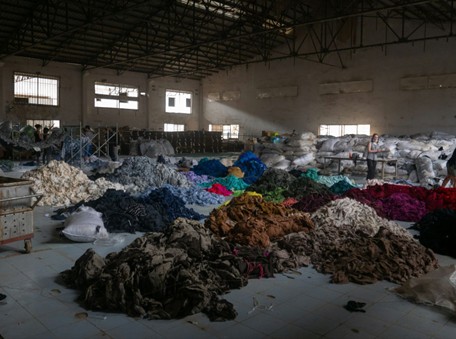
In a push to curb the environmental toll of “fast fashion,” the European Parliament and Commission are developing laws that reshape how clothing and textiles are made, sold, and discarded across the EU. As of January 2025, member states must collect textiles separately for re-use and recycling. The proposals include binding ecodesign requirements for all textile products, ensuring they are durable, repairable, recyclable, and increasingly made from recycled fibers. Moreover, EU lawmakers want to ban the destruction of unsold goods and require disclosure of destruction practices.
Under the new rules, textile producers, whether based in the EU or abroad, will be held financially responsible (via Extended Producer Responsibility schemes) for collecting, sorting, and recycling their products. The legislation also aims to empower consumers with better information on durability, repairability, and sustainability of garments, helping to counter misleading “green” claims (“greenwashing”). In essence, the EU’s approach is to make the full lifecycle of textiles more circular, transitioning from a “take-make-dispose” model to one where design, production, consumer use, and end-of-life are all regulated to reduce waste, pollution, and environmental impact.
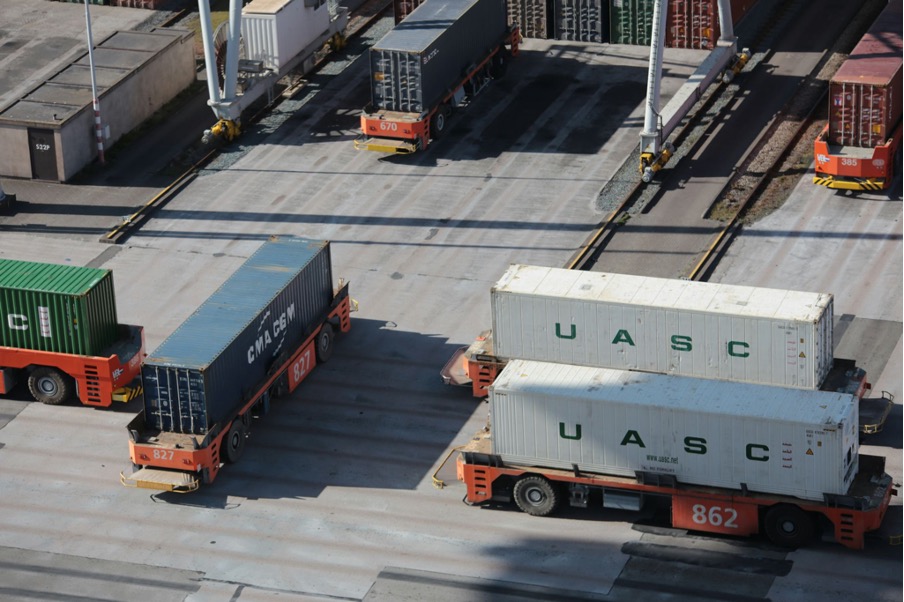
The Council and the European Parliament have reached a provisional political agreement on CO2 emission standards for heavy-duty vehicles (HDVs)
[form:total]
[field id=”total”]
[field id=”field_7d36af9″]