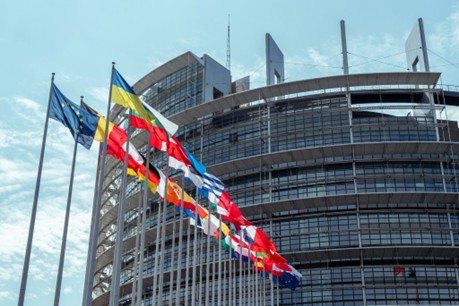
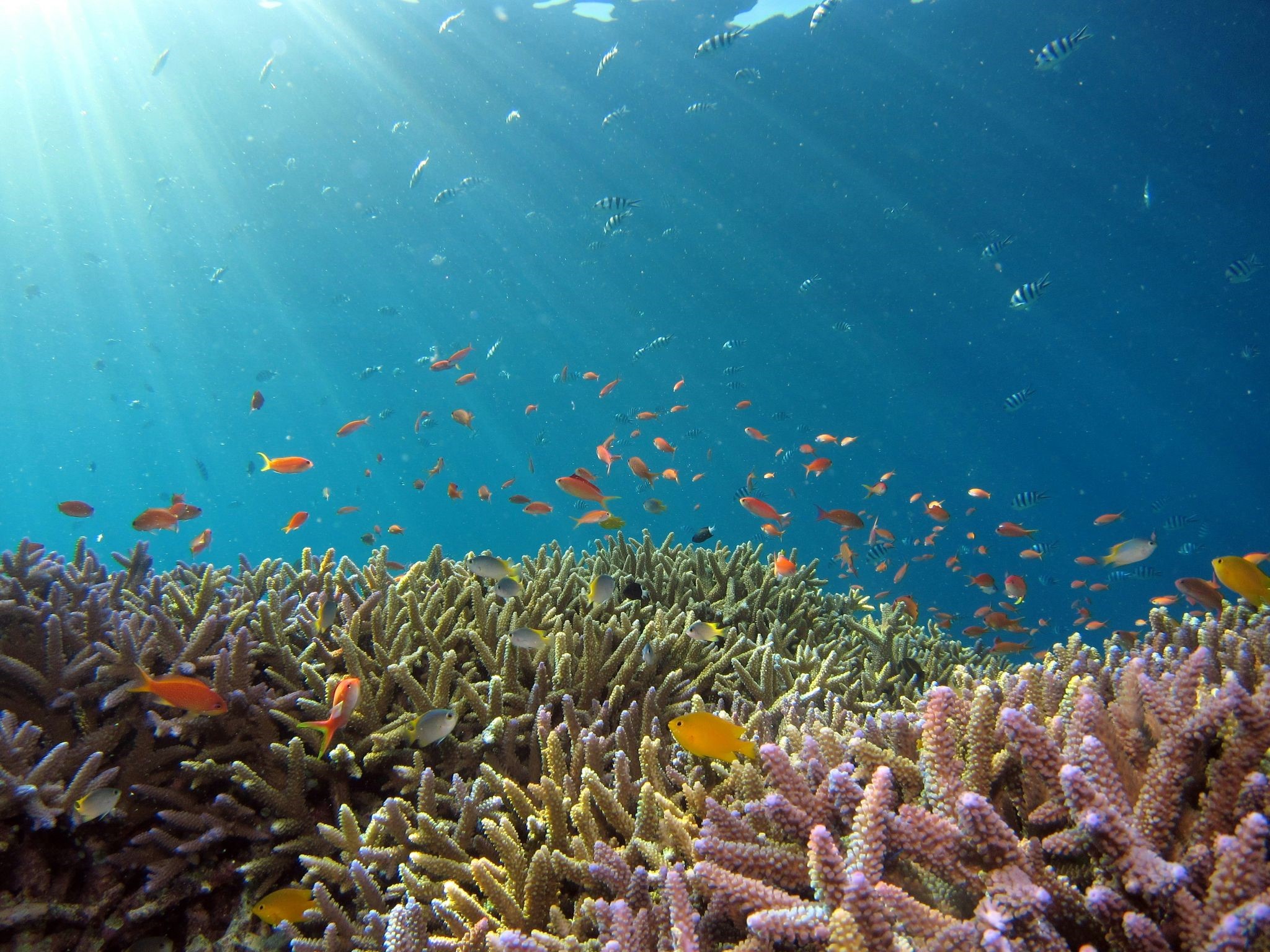

A major milestone has been achieved in marine conservation: 50 countries have now ratified the United Nations High Seas Treaty, which seeks to protect international waters beyond national jurisdictions—covering nearly two-thirds of the planet’s oceans. Once 60 nations ratify, the treaty will enter into force, making it the first-ever global legal framework creating marine protected areas and regulating activities such as surveying, conservation, and the fair sharing of marine resources. This surge in ratifications follows strong momentum from the UN Ocean Conference, bolstered by broad international support to safeguard biodiversity, curb pollution, and ensure sustainable ocean governance.
Despite this progress, much remains to be done. Concerns remain about enforcement, particularly in national waters where practices like bottom trawling continue—especially around the UK, where supposedly protected zones are still “scraped clean.” Achieving the treaty’s entry into force will require continued diplomatic efforts, strong implementation mechanisms, and increased oversight to turn legal commitments into real ocean conservation on the water.
A green bond is a type of financial instrument that raises capital for projects that have a positive impact on the environment.
[form:total]
[field id=”total”]
[field id=”field_7d36af9″]